
What is a cataract?
A cataract is clouding of the eye’s natural lens. It can make vision hazy, reduce contrast, fade colours or cause glare. The degree of clouding and its effect on daily activities vary from person to person.
Types and contributing factors
Most cataracts develop with age. Diabetes, long-term steroid use, eye injury and inherited or congenital conditions can also be associated with cataract. A clinician can assess the likely cause and check for other eye conditions that may affect vision or planning.
Symptoms and when to seek care
Common changes include blurred or cloudy vision, glare at night and frequent changes in glasses. Sudden vision loss, significant pain, a new curtain-like shadow or an eye injury is not typical of a routine cataract and needs urgent assessment.
Assessment
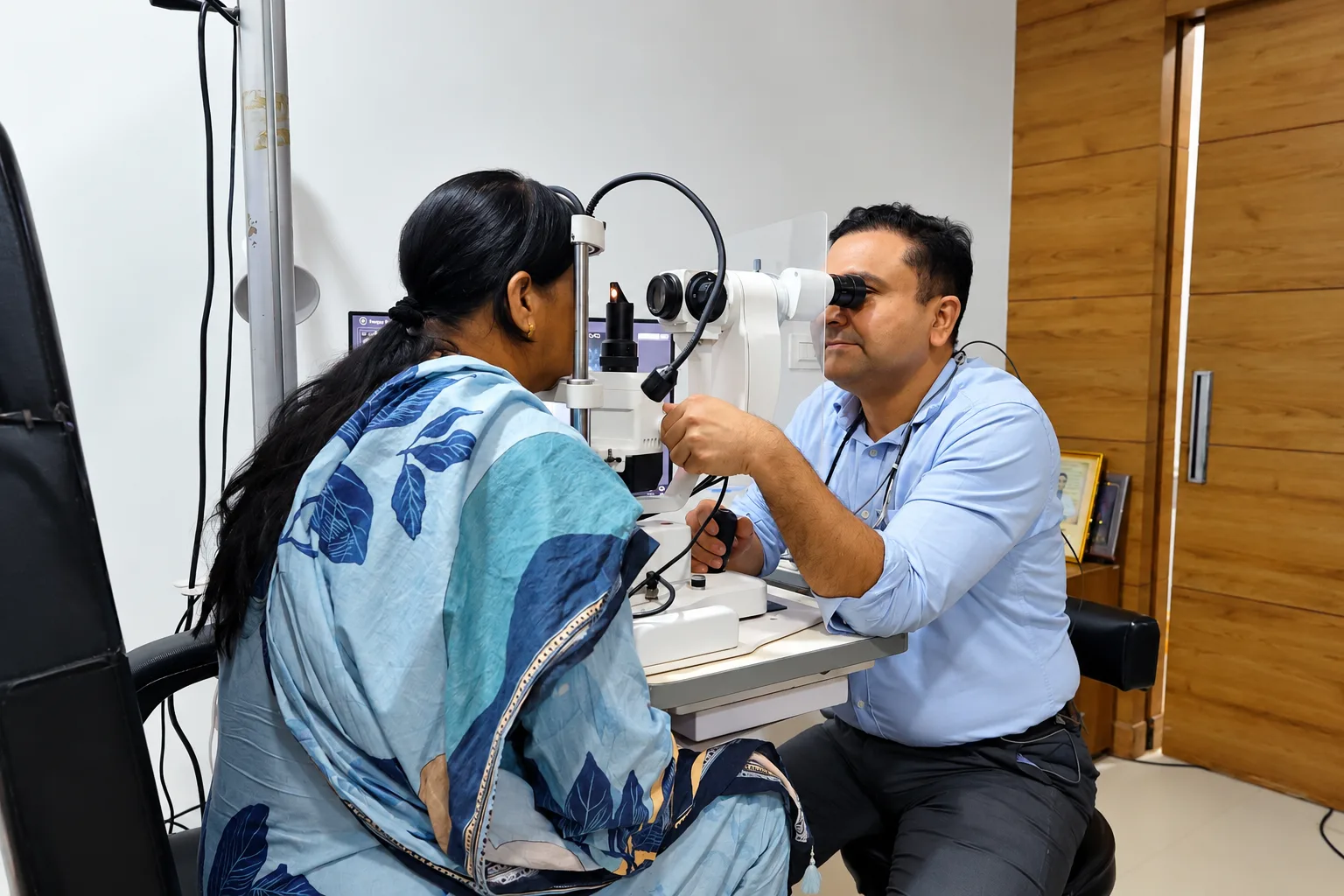
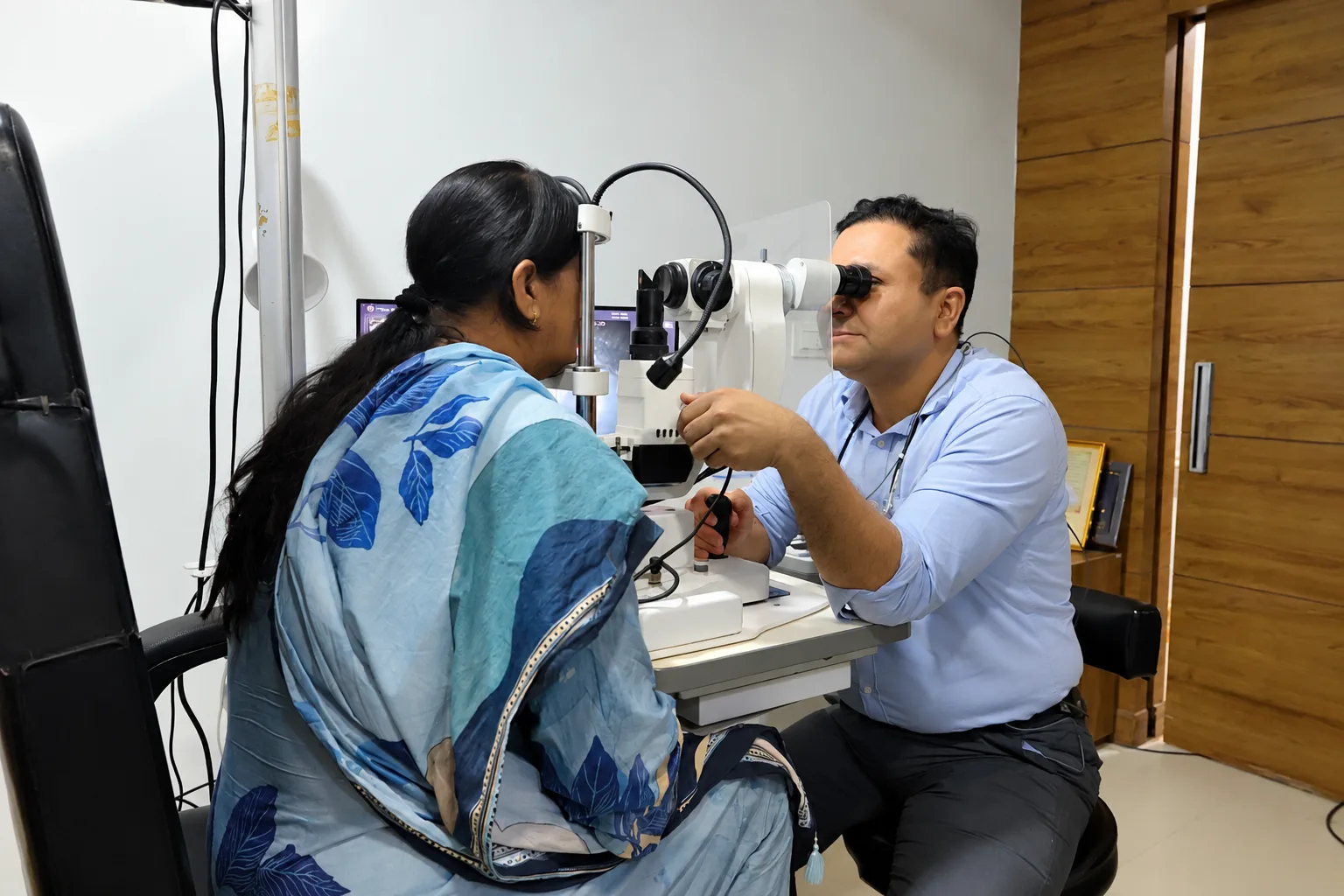
An eye examination checks vision and the health of the lens, retina and other structures. Before surgery, measurements such as biometry may help calculate an intraocular lens (IOL) power. The tests recommended depend on the eye and medical history.
Treatment options
Not every cataract needs surgery immediately. An ophthalmologist discusses observation, updated glasses where useful, or surgery when the cataract meaningfully affects daily life and surgery is appropriate. Surgical methods can include phacoemulsification or small-incision cataract surgery (MSICS). Intraocular lens (IOL) choices may include monofocal, toric or multifocal / extended-depth-of-focus designs where offered; suitability and availability must be confirmed with the surgeon.
Procedure and recovery
Cataract surgery is often planned as day-care when appropriate, but admission, anaesthesia and recovery depend on the person and the procedure. The surgeon will give a personalised eye-drop schedule, activity guidance and follow-up dates. Ask when you can return to driving and work; do not stop prescribed medicines or change drops without medical advice.
Risks and questions
All surgery has possible risks, and vision outcomes cannot be guaranteed. Ask about your expected benefit, alternatives, risks, lens options, cost, insurance and time away from work before deciding. A consultation is needed to answer these for your eye.
Understanding changes in everyday vision
The lens inside the eye normally helps focus light onto the retina. When the lens becomes cloudy, light no longer passes through it clearly. People do not all describe this change in the same way. One person may notice difficulty reading medicine labels, another may stop driving at night because headlights seem dazzling, while someone else may find that colours look faded. These changes can develop gradually, and comparing one eye at a time may reveal a difference that was previously unnoticed.
Not every change in vision is caused by cataract. Problems with the cornea, retina, optic nerve or spectacle prescription can produce overlapping symptoms. An examination is therefore important before deciding what to do. Tell the ophthalmologist which activities matter most to you, rather than judging the problem only by a vision-chart result. Your work, mobility, hobbies and ability to manage daily tasks are part of the discussion.
Planning the examination
A cataract consultation usually begins with a history of your symptoms and previous eye care. Bring your current glasses, old prescriptions, a list of medicines and any records of earlier surgery. Mention diabetes, allergies, injuries and difficulties lying flat. If you have had laser vision correction, this is particularly relevant to lens calculations. Medicines used for other conditions can also affect planning, so provide their names even if they do not seem connected to the eyes.
Depending on the findings, the clinician may check the eye surface, eye pressure, pupil response and the retina. Pupil-dilating drops can temporarily blur near vision and increase light sensitivity. Arrange transport if advised, and do not assume that driving immediately afterwards will be comfortable or safe. Measurements for an artificial lens may take place during this visit or at a separate appointment. Ask the clinic what preparation is needed before attending.
Deciding whether and when to have surgery
A cataract does not automatically mean that an operation must happen immediately. In some circumstances, a change of glasses, better lighting or monitoring may be reasonable for a period. These measures do not remove a cataract, but they may help with particular tasks. The decision to operate takes account of how much the cataract affects daily life, the examination findings and other eye conditions. A clinician may also recommend treatment for reasons that are not obvious from symptoms alone.
Ask what is likely to happen if you wait, what benefit is realistic and whether another condition may limit the result. If cataracts are present in both eyes, discuss the order and timing of care. There is no single timetable that applies to every patient. You should have an opportunity to understand the recommendation, consider alternatives and raise questions before giving consent. Do not stop prescribed medicines or change diabetes treatment without instructions from the relevant doctor.
Discussing an intraocular lens
During cataract surgery, the cloudy natural lens is usually replaced with an intraocular lens. Different lens designs have different benefits and compromises. The discussion may include the preferred distance focus, the amount of astigmatism and whether spectacles are likely to be needed for reading or other activities. Suitability depends on measurements, the health of the eye and personal priorities. A lens that suits one person may not be appropriate for someone with a retinal or corneal problem.
Ask which lens options are actually available at the clinic, what each option costs and what is included in the estimate. Descriptions such as premium or advanced do not guarantee freedom from glasses or a particular visual result. Some designs may involve glare, halos or other visual trade-offs. A written explanation of the recommended lens and the expected need for spectacles can help you make an informed choice without relying on advertising labels.
Preparing for the day of treatment
The surgical team should provide instructions about arrival time, food and drink, medicines and any eye drops needed before treatment. Follow your own instructions rather than a neighbour's experience, because anaesthesia and medical needs differ. Arrange an accompanying adult and transport home where required. Bring relevant reports and avoid applying anything around the eye that the team has asked you not to use. Tell the clinic if you become unwell or develop a new eye problem before the planned date.
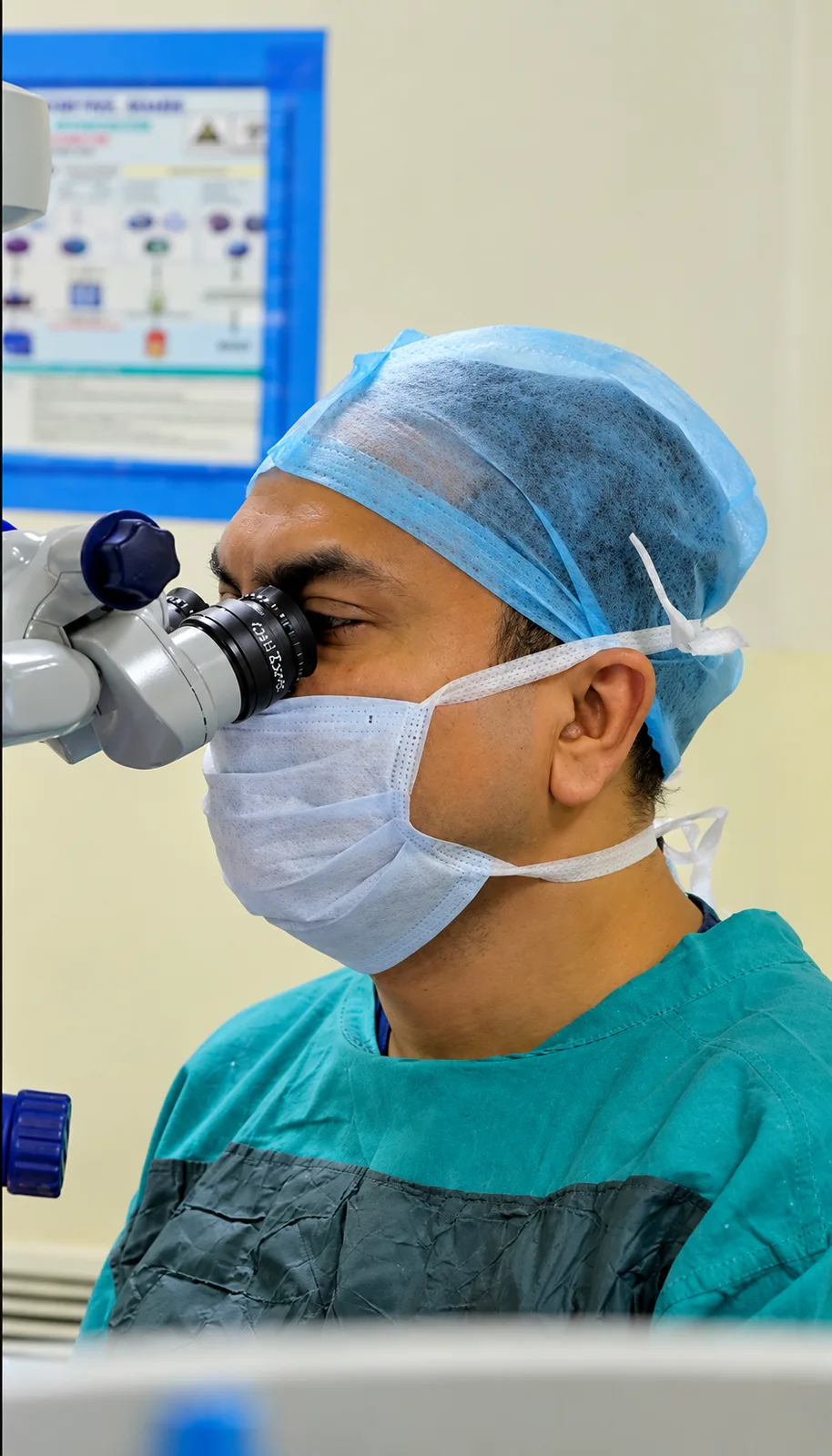
Many cataract procedures are performed as day-care treatment, but this should be confirmed for your situation. Ask what type of anaesthesia is planned, how you should communicate discomfort and what happens if the procedure takes longer than expected. The clinician should explain significant risks, alternatives and the follow-up plan before consent. Make sure the team has a reliable contact number and that you know whom to call if you need advice after leaving.
Recovery, spectacles and follow-up
Vision may change during healing, and the speed of improvement is not identical for every patient. Follow the prescribed drop schedule and ask the team to demonstrate how to use drops if you are unsure. Keep the bottle tip clean and avoid touching it to the eye. Instructions about washing, eye protection, lifting, exercise and returning to work should come from your treating team. Do not rub the eye or introduce non-prescribed remedies.
Attend the arranged reviews even when the eye seems comfortable. The doctor may need to check healing, pressure and the retina. Ask when a final spectacle prescription should be measured and when driving can safely resume. New severe pain, worsening redness or a sudden reduction in vision after surgery needs prompt advice, not a wait until the next routine review. Keep written aftercare instructions and an emergency contact route where you and a family member can find them.
Setting realistic expectations
Cataract surgery can address clouding of the lens, but it does not treat every cause of reduced vision. Glaucoma, diabetic retinal changes, macular conditions, corneal disease or previous damage may influence the outcome. Ask the ophthalmologist to explain what can be assessed before surgery and what uncertainty remains. The goal is an informed plan based on your eye, not a promise based on someone else's result.
Before booking, ask for an estimate that explains investigations, the lens, the procedure and follow-up arrangements. Check insurance requirements directly with the clinic and insurer. Tell the team about practical concerns such as travel, work, caring responsibilities or difficulty using drops. Planning these details in advance can make the treatment process easier and helps you understand your role in recovery.
Taking part in the consent discussion
Write down the activities you hope treatment will help with and ask which of those goals are realistic. You can also ask who will provide aftercare, when the first review will take place and how an unexpected problem would be handled. If you use a hearing aid, need an interpreter or find written instructions difficult to read, tell the team in advance. Consent should follow an explanation you understand; it should not depend on recognising medical abbreviations or remembering everything from a brief conversation.
Frequently asked questions
Does a cataract have to be “ripe” before surgery?
The decision is based on symptoms, examination and personal needs—not a fixed “ripeness” rule. Discuss timing with an ophthalmologist.
Can both eyes be operated on together?
This depends on the individual circumstances and the treating surgeon’s recommendation.
How soon can I return to work?
Recovery and restrictions differ. Ask for advice based on your procedure and type of work.
What affects cost and insurance?
Costs can depend on the evaluation, procedure and lens selected. Confirm a written estimate and insurance coverage with the clinic.
Can a cataract come back after surgery?
The natural lens cataract is removed. A membrane behind an implant can become cloudy in some people; an eye specialist can assess the cause and options.
Does diabetes affect cataract planning?
Tell the surgeon about diabetes and bring relevant reports. The eye and general health assessment helps guide timing and planning.
This page is general information, not a diagnosis or a personalised treatment plan. Confirm which procedures and lens options the clinic currently offers.
Request an appointmentCall the clinicWhatsApp
Clinical review and review date: confirm with the clinic before publishing this information.