Screening and symptoms
People with type 2 diabetes should ask about a dilated retinal examination at diagnosis. Pregnancy with diabetes also requires timely eye-care advice. Many people need regular checks, but the interval may be shorter depending on examination findings and medical advice.
Blurred vision, floaters or distortion should be assessed. Sudden loss of vision needs urgent care.
Stages and macular swelling
Diabetic retinopathy ranges from non-proliferative changes to proliferative disease, where fragile new blood vessels can grow. Diabetic macular oedema is swelling near the centre of the retina and may affect central vision. The clinician explains the findings and their significance after examination.
What the assessment may include
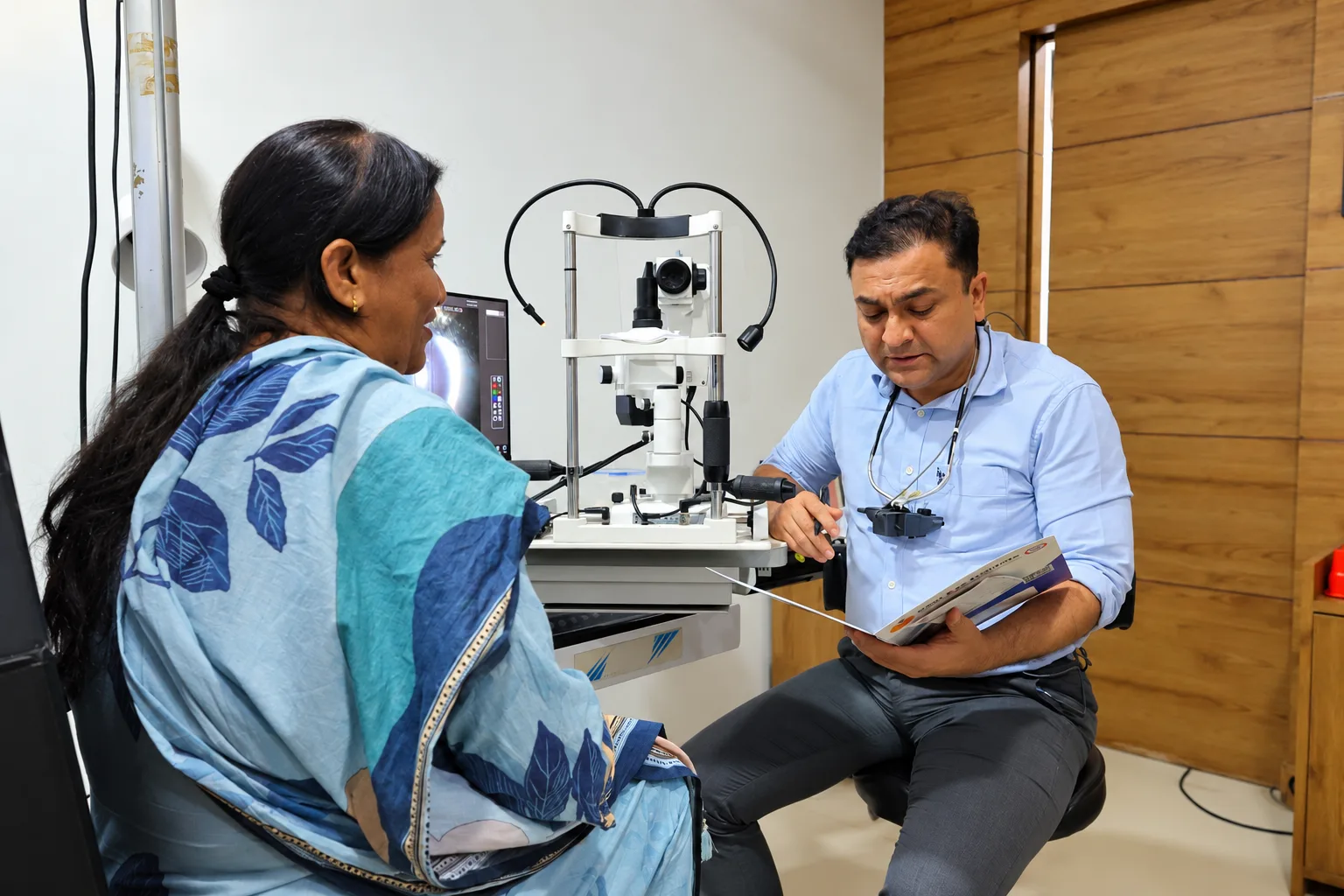
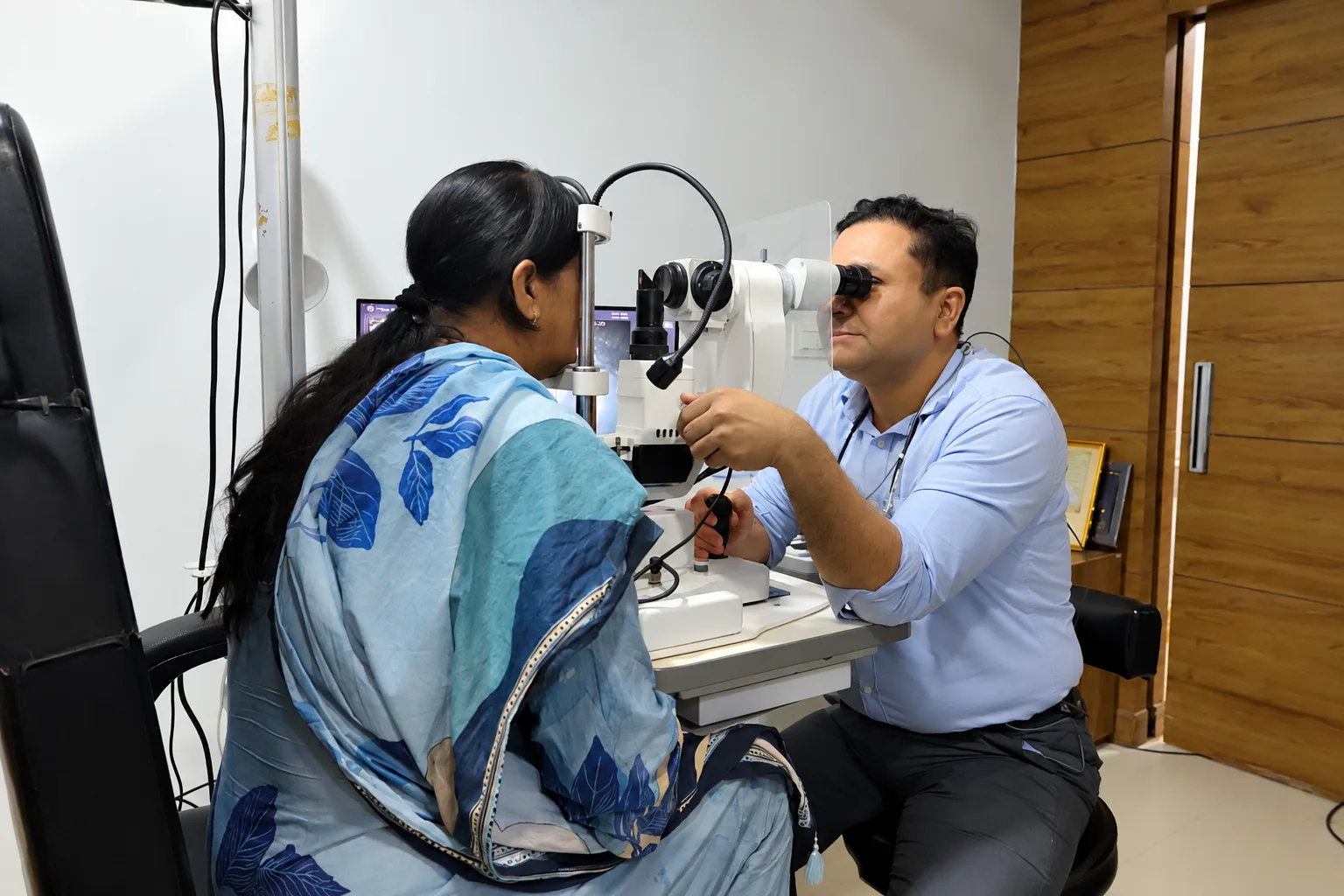
A dilated eye examination lets the clinician inspect the retina. Optical coherence tomography (OCT), retinal photographs or fluorescein angiography may be advised when clinically useful. Bring recent diabetes results and prior eye reports if available.
Care and treatment choices
Care depends on the retinal findings. Options used in diabetic eye care can include monitoring, focal or pan-retinal photocoagulation (PRP) laser, anti-VEGF injections or vitrectomy for selected cases. The clinic must confirm which treatments it provides; not every patient needs a procedure. Discuss expected benefits, risks and follow-up with the treating specialist.
Protecting eye health
Work with your diabetes-care team on blood sugar, blood pressure and cholesterol management. Keep the eye appointments recommended for you, even when there are no symptoms.
Why clear vision does not replace screening
Diabetes can affect the small blood vessels in the retina before a person notices blur. Reading a phone clearly or having no pain does not prove that the retina is unaffected. Screening is designed to identify changes at a stage when symptoms may be absent. A spectacle test alone is not the same as a retinal assessment. Ask the clinician what type of examination or imaging is appropriate for your circumstances.
The timing of eye checks depends on the type and duration of diabetes, earlier findings, pregnancy and other clinical factors. People with type 2 diabetes are generally advised to have retinal assessment at diagnosis, because diabetes may have been present for some time before it was recognised. For other situations, including type 1 diabetes, ask your treating team when screening should begin. Follow the individual interval you are given rather than relying on a fixed schedule from an unrelated patient.
Understanding the examination report
A report may use terms such as non-proliferative retinopathy, proliferative retinopathy or diabetic macular oedema. These describe different findings, not interchangeable labels. Some changes involve damaged or leaking vessels. More advanced disease can involve abnormal new vessels and associated bleeding or scarring. Swelling at the macula can affect central vision. The clinician should explain the findings in plain language and whether one or both eyes are involved.
The stage of retinopathy is only part of the decision. The location of changes, vision, imaging, previous treatment and general health also matter. Ask whether the current recommendation is routine follow-up, closer monitoring or treatment, and why. A printed report can be useful, but interpreting a stage without the rest of the examination can lead to unnecessary worry or false reassurance. Keep reports and scans for comparison at future visits.
Preparing for a diabetic eye visit
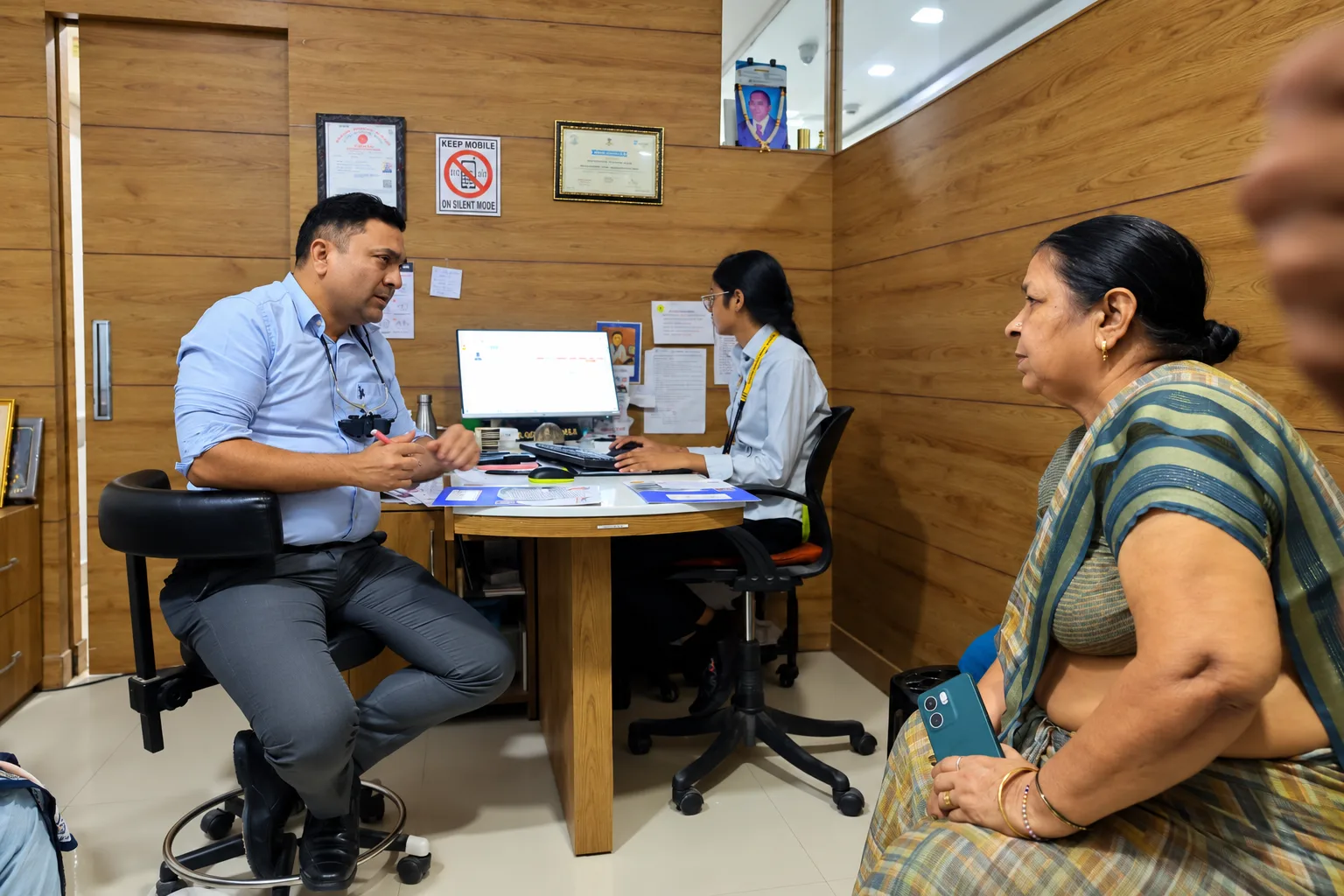
Bring your diabetes history, current medicines and any recent results that your clinicians have asked you to share. Mention high blood pressure, kidney disease, pregnancy or plans for pregnancy. Previous laser, injections or surgery should be included even if they took place many years earlier. If you have missed follow-up, tell the team openly; the priority is to understand the current condition and plan the next step.
Retinal examination may involve pupil dilation and imaging. Ask whether you will need someone to accompany you and whether driving afterwards should be avoided. Do not skip food or change diabetes medicines unless the team has specifically instructed you to do so. If fasting is required for another planned procedure, seek an individual medicine plan. Let staff know if you feel unwell during the visit or need support with mobility, reading forms or understanding instructions.
Working with the wider diabetes-care team
Eye care is one part of diabetes management. Your diabetes clinician can help with blood-glucose targets, blood pressure, cholesterol and other health needs. These decisions should be individualised. An eye appointment does not replace routine medical follow-up, and an improved blood test does not remove the need to assess established retinal disease. Share relevant eye findings with the professionals managing your diabetes so care can be coordinated.
Avoid making sudden treatment changes solely because of a website article. If a major adjustment to diabetes therapy is being considered, ask your medical and eye-care teams whether closer eye monitoring is appropriate. Smoking cessation support, prescribed medication and sustainable daily habits can be discussed with your clinicians. No diet, supplement or home remedy should be presented as a substitute for recommended retinal treatment.
How treatment choices are discussed
Depending on the diagnosis, treatment may include observation, retinal laser, injections into the eye or surgery for particular complications. An injection is a clinical procedure with its own assessment, consent and aftercare requirements. Laser may be used for a specific retinal purpose; it is not the same as laser treatment to reduce dependence on glasses. Surgery may be considered when problems such as non-clearing bleeding or traction need an operative approach.
These are general examples, not a statement that every option is available at this clinic or suitable for every patient. Ask which finding the proposed treatment addresses, how success will be assessed and what risks or alternatives should be considered. Some treatments require a course of visits rather than a single attendance. Discuss the expected schedule and what to do if illness, travel or finances make attending difficult. Do not simply stop follow-up without discussing the problem.
Pregnancy and other times when review matters
Pregnancy can change the monitoring needs of a person with pre-existing diabetes. If you are planning pregnancy or are already pregnant, tell both the diabetes-care and eye-care teams. The timing of retinal assessment and any follow-up should be arranged specifically for you. Gestational diabetes and pre-existing diabetes are not identical situations, so do not assume that advice given to a friend applies to your case.
New blurred vision should not automatically be attributed to a temporary change in glucose. There may be several possible causes, including conditions unrelated to diabetes. Sudden loss of vision, many new floaters, a shadow or a painful red eye requires prompt assessment. If there is an urgent change, do not wait until the next screening invitation or submit a website message expecting an emergency response.
Keeping treatment and follow-up manageable
Record your next appointment before leaving the clinic. Ask for written instructions, especially after an injection, laser or operation. The treating team should explain symptoms that need urgent help and whether any activities need to be limited. If medicines or drops are prescribed, check the names, purpose and schedule. Bring the bottles to a review if there is any uncertainty about what you are using.
Practical difficulties matter. Let the team know if you depend on someone for transport, work long shifts or find it difficult to attend repeated visits. They may be able to explain the available scheduling options. Ask the clinic and insurer about estimates and authorisation requirements before planned care. A family member may help you remember information if you want their involvement, but your questions and preferences should remain central to the discussion.
What outcomes and monitoring can mean
The goal of treatment is not always an immediate improvement in the number of letters read on a chart. In some cases, preventing further deterioration is an important benefit. Established damage and other eye conditions can limit the result. Ask what the clinician hopes to achieve in your particular eye and what uncertainty remains. Another patient's outcome cannot predict your own.
Regular assessment, appropriate treatment and coordinated diabetes care support informed decisions, but none provides a guarantee. This educational page cannot grade your retinopathy or determine a treatment plan. Use it to prepare questions, understand common terms and recognise why follow-up matters. The final plan should follow an individual examination and a discussion with the treating clinician.
Sharing information between appointments
Keep the name of your diabetes clinician, your current medicine list and the date of your latest retinal assessment together. If you are referred elsewhere, ask which reports or scans should accompany you. Tell each team about significant new health problems or planned treatment changes. When advice seems inconsistent, ask the clinicians to clarify it rather than choosing which medicine to stop yourself. If a family member helps organise appointments, make sure they know which visit is for general diabetes care and which is for retinal monitoring; both may remain necessary.
Frequently asked questions
Can diabetic eye disease start without blurry vision?
Yes. Changes may not be noticed early, which is why screening is important.
When should someone with type 2 diabetes have an eye check?
Ask for a dilated retinal examination at diagnosis and follow the interval advised by your eye-care professional.
Does everyone need checks only once a year?
No. Your clinician may recommend checks more often based on your eyes, pregnancy or other circumstances.
What reports should I bring?
Bring recent diabetes test results, your medicines list and any previous retinal or eye reports.
Should diabetes screening be discussed during pregnancy?
Yes. Anyone who is pregnant and has diabetes should promptly ask their diabetes and eye-care teams about the right eye examination schedule.
Can I skip screening if my vision seems normal?
No. Retinal changes can develop before they noticeably affect vision. Keep the screening schedule advised for you.
This information does not replace an eye examination. Screening frequency and treatment should be decided with your clinician.
Request an appointmentCall the clinicWhatsApp
Clinical review and review date: confirm with the clinic before publishing this information.