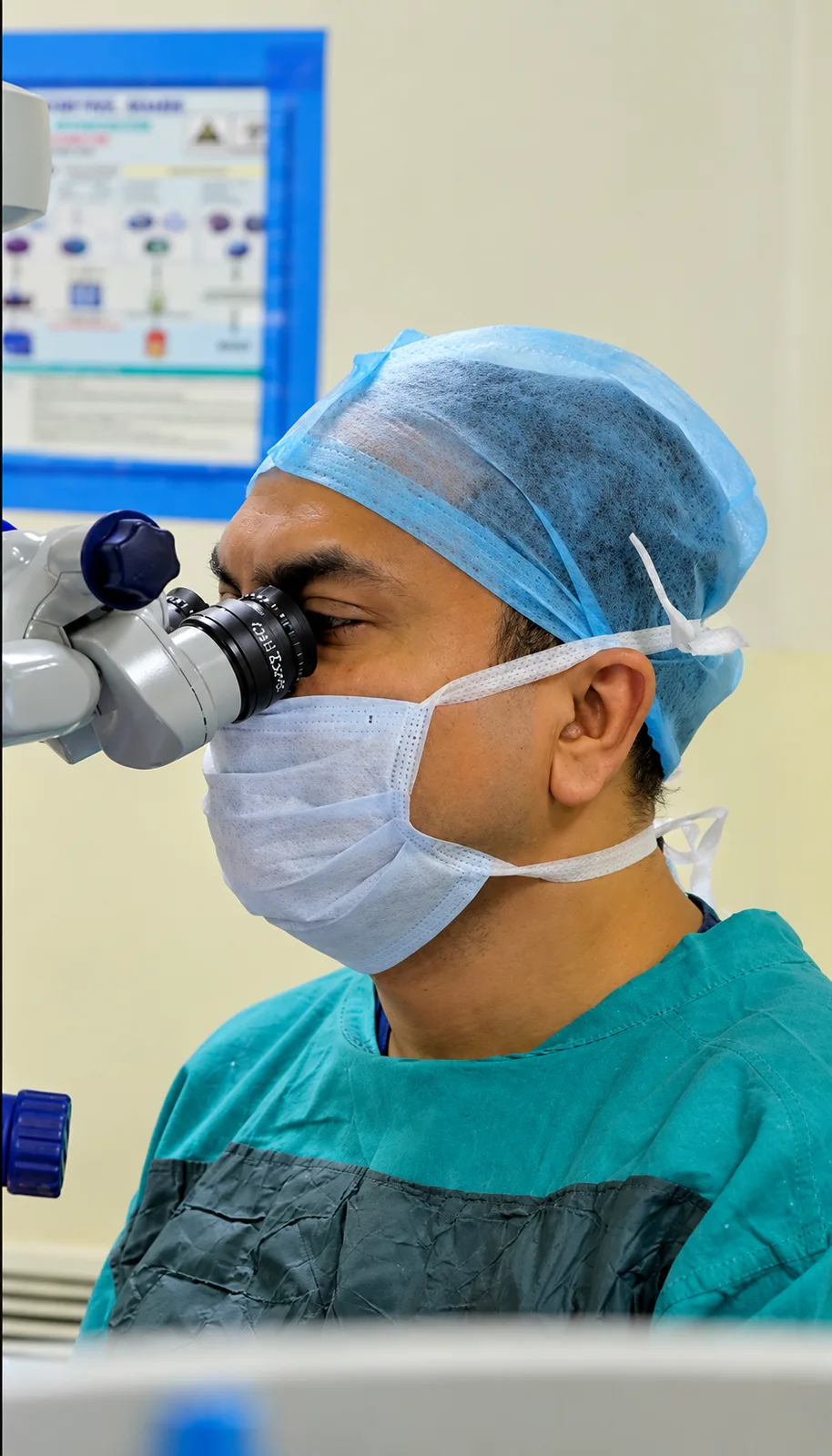
Retinal laser
Some retinal conditions may be treated with focused laser after an eye examination. The purpose and expected benefit depend on the finding; the clinician will discuss alternatives and follow-up.
YAG laser
YAG laser is different from retinal laser. It may be considered for selected problems such as clouding behind an intraocular lens after cataract surgery. The eye specialist must confirm the diagnosis and whether it is appropriate.
Glaucoma laser
Some glaucoma types may be managed with laser procedures, such as selective laser trabeculoplasty or iridotomy. These are not suitable for every patient; ask the clinic which options are currently available.
Assessment and preparation
Ask what diagnosis is being treated, what the laser is intended to do, what alternatives exist, whether drops or an escort are needed, and what follow-up is planned. Procedure availability at this clinic must be confirmed directly.
Refractive surgery is different
LASIK and other vision-correction procedures are not the same as retinal, YAG or glaucoma laser treatment. Do not assume they are offered here; ask the clinic whether refractive assessment or surgery is available.
Why the word laser does not identify one treatment
In eye care, a laser is a tool used for several different purposes. A retinal procedure, a treatment for a cloudy capsule after cataract surgery, a glaucoma laser and a refractive procedure do not address the same problem. They involve different assessments, expected benefits and follow-up. Hearing that a friend had laser treatment does not establish that it is appropriate for your own symptoms or diagnosis.
The starting point is a clear diagnosis. Ask the ophthalmologist which structure is affected and what the proposed laser is intended to change. If a treatment name is unfamiliar, request a written description. This page explains general categories and does not confirm that every procedure is available at the clinic. Availability, equipment, clinician assessment and referral arrangements should be confirmed directly before making plans or paying for treatment.
Retinal laser: understanding the purpose
Retinal laser may be discussed for selected problems involving the retina. The aim can differ between conditions, so it is important to understand the specific recommendation. A laser used around a retinal tear has a different purpose from a treatment planned for diabetic retinal disease. The extent and location of treatment, the number of sessions and the expected recovery depend on the diagnosis and the examination.
Ask whether the proposed treatment is urgent, what alternatives exist and what would happen if it were delayed. Not every retinal finding needs laser, and laser cannot be assumed to restore all lost vision. The clinician should explain relevant risks and the follow-up plan. New flashes, a sudden shower of floaters, a curtain-like shadow or sudden vision loss should be assessed urgently rather than waiting to compare treatment options online.
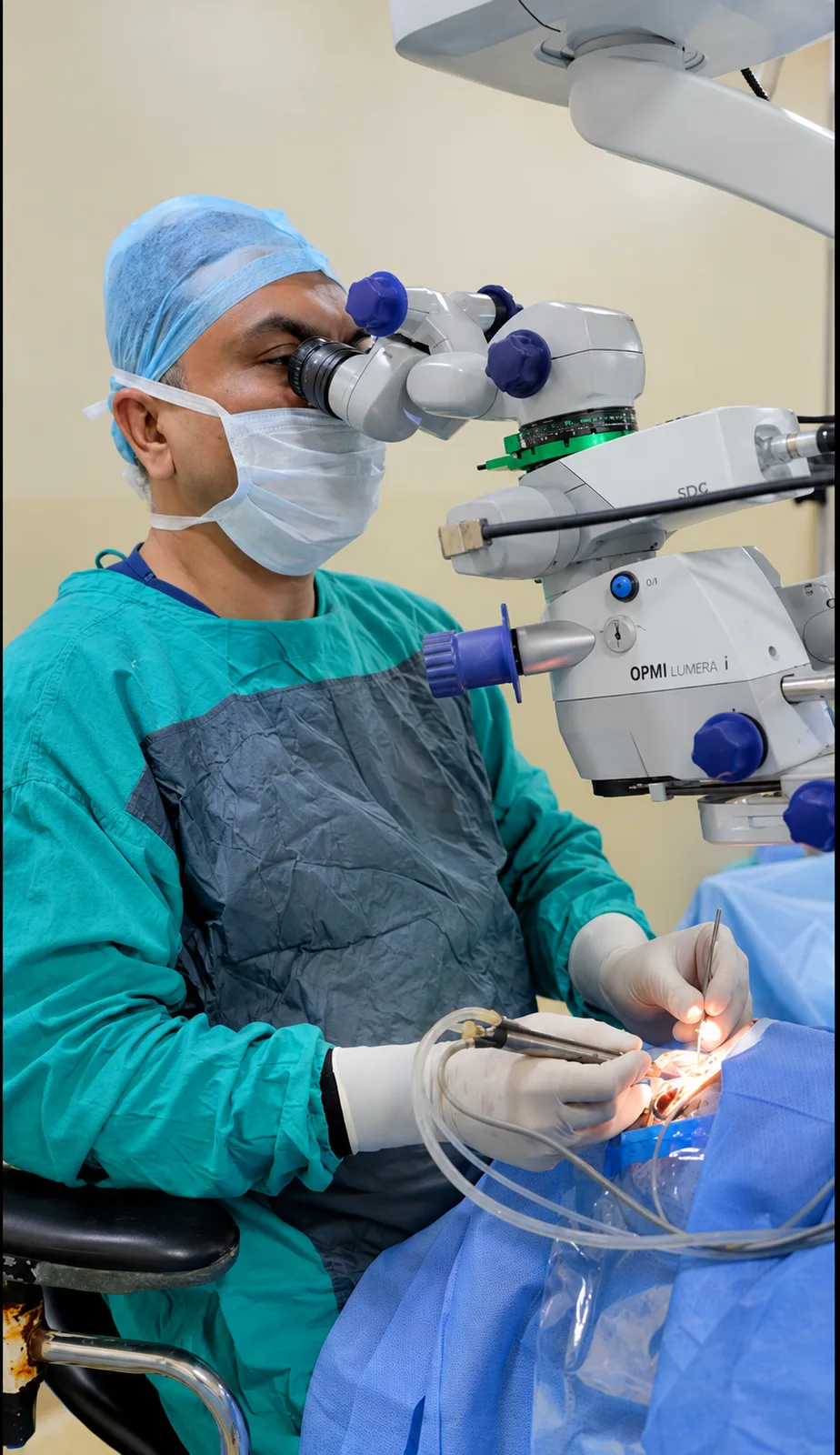
YAG capsulotomy after cataract surgery
After cataract surgery, a membrane behind the artificial lens can sometimes become cloudy. This is often called posterior capsule opacification. A YAG capsulotomy may be considered when that clouding affects vision and the examination supports the diagnosis. It is not the same as a cataract returning, and it is not automatically the explanation for every episode of blurred vision after cataract surgery.
The ophthalmologist needs to check for other causes of blur before recommending a procedure. Ask what improvement is expected, what risks are relevant and whether eye-pressure checks or follow-up are needed. The clinician should explain what you may experience during and after treatment and when to seek help. Do not assume that a short procedure is risk-free or that driving immediately afterwards will be appropriate for you.
Glaucoma lasers have different roles
Laser treatment may form part of a glaucoma plan in selected circumstances. Selective laser trabeculoplasty and laser iridotomy are different procedures with different purposes. The choice depends on the glaucoma mechanism, drainage anatomy and other findings. A laser recommendation should therefore be linked to a named diagnosis, not simply to a single pressure measurement or a general claim that laser is better than drops.
Ask whether medicines will still be needed, how the response will be monitored and what symptoms require urgent advice. Laser does not usually reverse established optic-nerve damage. Long-term monitoring may remain necessary even when pressure improves. If a procedure is not available locally or another approach is more appropriate, the clinician should explain the options and any referral needed. Do not stop prescribed drops unless the treating team tells you to do so.
Refractive laser and freedom from spectacles
Laser vision correction is a separate area of eye care from the retinal, YAG and glaucoma treatments described above. Procedures intended to reduce dependence on spectacles require a detailed suitability assessment. A person's age, prescription stability, corneal measurements, eye surface, general eye health and expectations may all be relevant. A good spectacle prescription or a friend's successful result does not establish eligibility.
This website does not confirm that LASIK or another specific refractive operation is offered at the clinic. Ask directly about availability and the assessment process. If a refractive procedure is discussed, ask about alternatives, the possibility of still needing glasses, recovery, dry-eye symptoms and visual effects such as glare or halos. Advertising terms and package names should not replace an explanation of the procedure and its individual trade-offs.
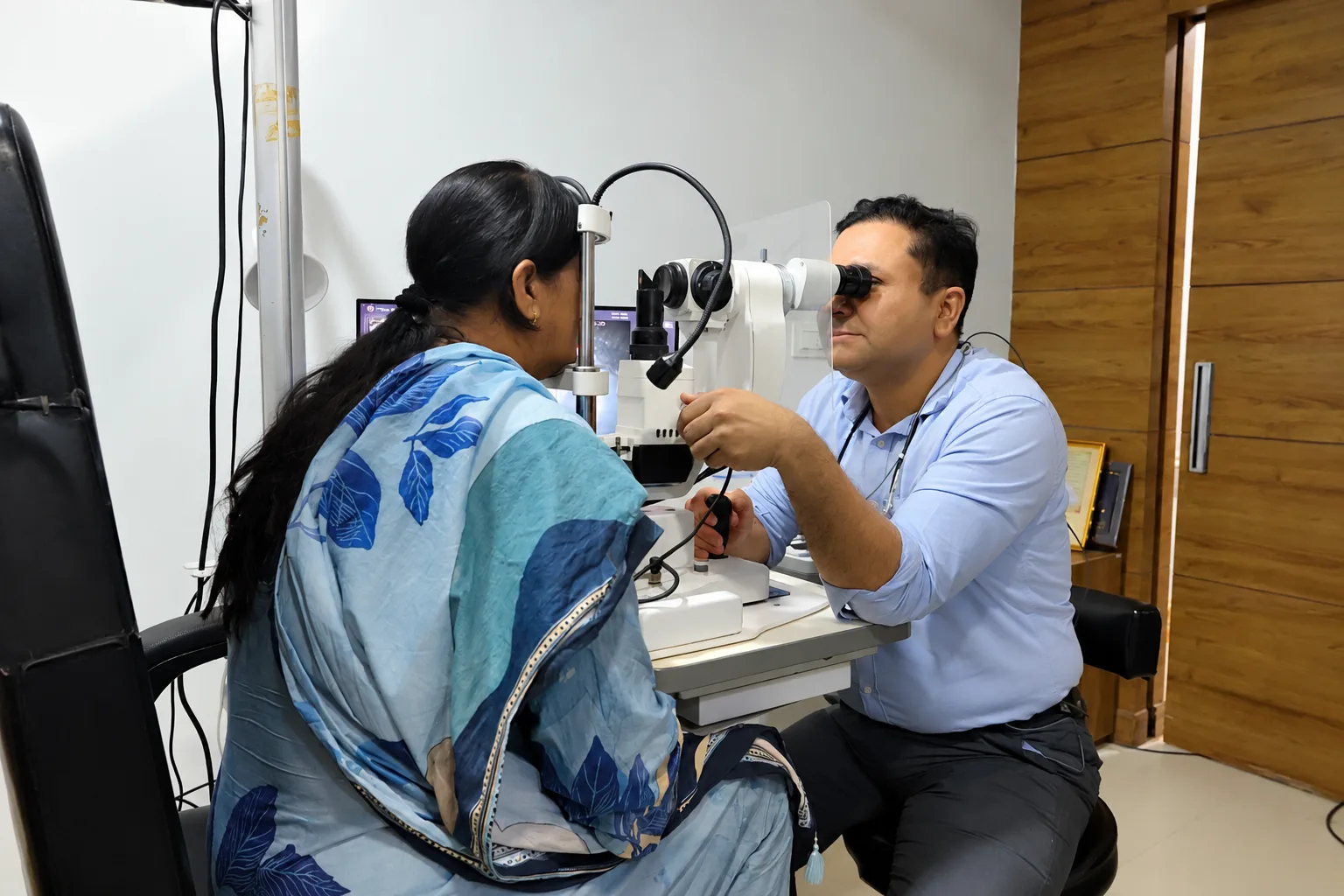
Preparing for an assessment or planned procedure
Bring previous eye records, current glasses, a medicine list and details of earlier operations. Tell the team about pregnancy, allergies, diabetes, glaucoma and contact-lens use where relevant. The clinic may provide particular instructions about wearing contact lenses before measurements; follow those instructions rather than choosing an interval yourself. Do not stop prescribed medicines or use someone else's drops in preparation.
Ask whether pupils will be dilated, whether you need an accompanying person and how much time to allow. Clarify whether the visit is an assessment only or whether treatment might be offered the same day. You should have an opportunity to discuss the diagnosis, alternatives, risks, expected benefit and costs before consent. If you feel unsure, ask for further explanation rather than assuming that a booking obliges you to proceed.
Recovery and symptoms to report
Recovery instructions depend on the exact procedure. Some treatments may involve temporary blur, light sensitivity or other short-lived effects, but a general website cannot tell you which symptoms are expected in your eye. Ask for written instructions about drops, work, exercise, driving and follow-up. Keep the clinic's contact details available and ensure you know what to do outside normal hours.
Sudden worsening of vision, severe pain or other concerning changes need prompt professional advice. Do not decide that a new symptom is harmless simply because it appeared after a procedure described as minor. Follow the treating team's emergency instructions and use an appropriate urgent service if necessary. Avoid adding non-prescribed eye medicines or home remedies while waiting for advice.
Questions about cost, benefit and alternatives
Ask for an estimate that identifies the procedure and any investigations, medicines or follow-up included. Insurance cover varies with the diagnosis, procedure and policy, so check with the clinic and insurer before planned treatment. A lower price does not explain clinical suitability, and a higher price does not guarantee a better outcome. Make sure you understand what problem is being treated and how success will be judged.
Useful questions include whether observation is reasonable, what non-laser options exist, whether repeat treatment may be needed and what uncertainty remains. Some conditions need urgent care; in other situations there may be time to consider a second opinion. The clinician should help you understand the difference. The aim of this page is informed discussion, not self-selection of a procedure based on a list of technologies.
Keeping your records for future eye care
Keep the name and date of any laser procedure, the diagnosis and the follow-up instructions. These details are useful if you later attend another clinic or need an urgent examination. Tell future clinicians about previous eye treatment even if it seemed straightforward at the time. Bring relevant reports rather than relying only on the word laser, which may refer to several unrelated procedures.
Your own examination remains the basis for care. Contact the clinic to confirm which treatments are offered and to arrange an assessment, but do not wait for a routine response if you have sudden loss of vision, severe eye pain or an eye injury.
Checking the plan before you leave
Confirm the exact procedure name, which eye is being treated and whether another session is expected. Ask who should be contacted if a scheduled review cannot be attended. If drops are prescribed, check their purpose and duration and ask whether your existing medicines should continue. Keep a copy of consent information and aftercare instructions. A clear written plan helps prevent confusion between different laser treatments and makes it easier to explain your history if another clinician later needs to assess the eye.
Frequently asked questions
Does every patient need laser treatment?
No. Whether a laser is appropriate depends on the diagnosis and individual examination.
Is a laser procedure risk-free?
No procedure is risk-free. Ask about benefits, alternatives, risks and follow-up for your specific recommendation.
Can I drive home afterwards?
Ask the treating clinic. This can depend on the drops, procedure and your vision that day.
Are retinal laser and YAG laser the same?
No. They are different procedures used for different clinical reasons. The treating ophthalmologist can explain which, if any, applies to you.
Is LASIK the same as retinal laser?
No. LASIK is a vision-correction procedure on the cornea. It is not the same as retinal, YAG or glaucoma laser treatment.
Should I change my eye drops before a laser procedure?
Do not change or stop prescribed medicines unless the clinician performing the procedure instructs you to do so.
The clinic’s current procedure list has not been independently confirmed. Please contact the clinic to verify availability before planning a visit.
Ask the clinicCall the clinicWhatsApp
Clinical review and review date: confirm with the clinic before publishing this information.