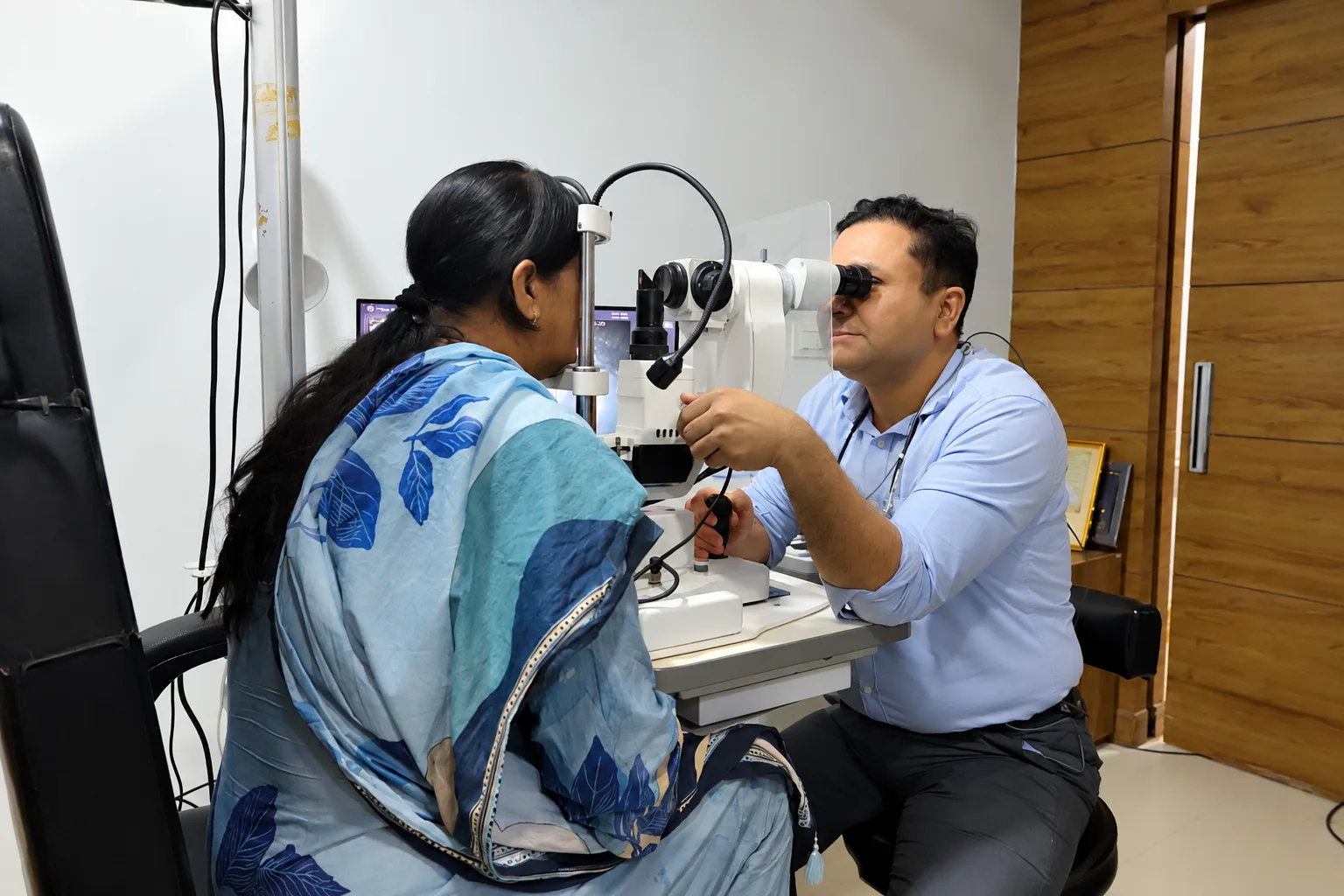
What may be checked?
An appointment may include discussion of symptoms and medical history, vision testing and examination of the eyes. The clinician may recommend additional tests, dilation or imaging if appropriate. Not every visit includes the same tests.
Who should ask about an eye examination?
Seek an appointment if vision changes, if you have diabetes or a family history of eye disease, or if an eye-care professional has advised follow-up. Sudden vision loss, new flashes and floaters, severe pain or an injury need urgent care rather than a routine check-up.
What to bring
- Previous prescriptions and eye reports.
- A list of medicines and relevant medical conditions.
- Recent diabetes results, if applicable.
- Your glasses or contact-lens details and questions.
An eye examination is more than a glasses test
A spectacle check measures how lenses may help focus vision. A comprehensive eye assessment can also consider the health of the eyes and the reasons for symptoms. These are related but not identical tasks. Someone may need both an updated prescription and further investigation, while another person may have satisfactory chart vision but an eye-health finding that requires monitoring. The examination should be guided by history, age, symptoms and risk factors.
Tell the clinician what has changed and how it affects everyday activities. Reading discomfort, headaches, glare, watering, dryness or difficulty with distance vision can have different causes. Do not assume that every problem is caused by screen use or by the need for stronger glasses. A clear description of the timing, which eye is affected and any associated symptoms helps the professional decide what to assess.
Who may benefit from a routine visit
People seek routine eye care for many reasons: a change in vision, problems with current spectacles, ongoing eye treatment or a general health condition that can affect the eyes. A family history of certain eye diseases may also be relevant. The appropriate timing of review is individual. Ask your eye-care professional how often you should return rather than choosing an interval solely from an advertisement or a friend's schedule.
Diabetes, previous eye surgery, long-term medicines and earlier abnormal findings can change the assessment needed. Tell the clinician about these even when vision seems stable. Children, older adults and people who find it difficult to describe symptoms may need a different approach to testing. If a particular examination or specialist service is needed, ask the clinic whether it is available and whether a referral would be more appropriate.
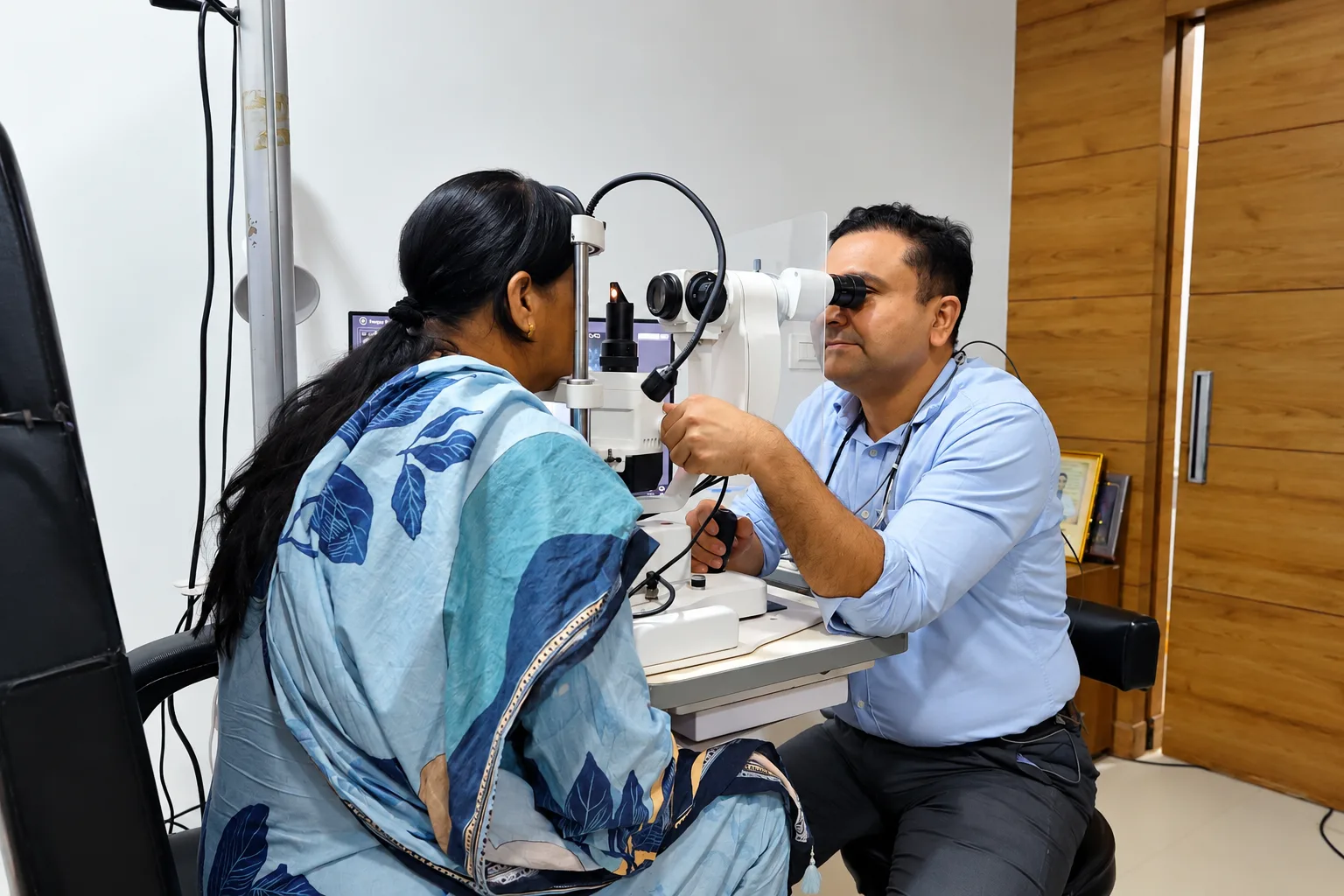
Preparing a useful history
Before the visit, note when the symptoms started, whether they are constant or intermittent and what makes them better or worse. Bring current spectacles, earlier prescriptions, eye reports and a list of all medicines, including eye drops. Mention allergies, contact lenses, injuries and operations. If you are attending for diabetes-related screening, bring the information your treating team has asked you to share.
Work and daily routines can be relevant. Tell the clinician if you drive at night, work with machinery, use screens for long periods or do tasks requiring detailed near vision. Explain any practical difficulty, such as problems reading labels, recognising faces or moving around in dim light. These details help connect examination findings with your needs. They also provide a better basis for discussing spectacles, monitoring or further tests.
What the appointment may involve
The assessment can include vision testing, a refraction, examination of the front of the eye, pupil checks, eye-pressure measurement and examination of the retina when indicated. Not every patient needs every test at every visit. The clinician should explain why a particular investigation is useful. Some measurements may be carried out by trained staff before the ophthalmologist reviews the results.
Dilating drops may be recommended to examine the back of the eye. These can temporarily blur near vision and increase sensitivity to light. Ask whether transport should be arranged and allow enough time for the visit. Do not assume that you will be comfortable driving afterwards. If you have had a reaction to eye drops or have another concern, tell the team before drops are used.
Understanding spectacles and prescriptions
Different prescriptions serve different tasks. Distance, reading, occupational and multifocal lenses have different uses and adjustment needs. Explain the distances at which you work, read or use a screen. The prescription is only part of successful spectacle wear: lens choice, fitting and the position of the frame can also matter. Ask the relevant professional to explain the intended use of a new pair.
If new spectacles do not feel right, arrange a review rather than repeatedly buying stronger ready-made readers. A change may reflect fitting, adaptation, the prescription or an eye-health issue. Do not share prescription spectacles as a substitute for an examination. Contact lenses also require appropriate assessment, hygiene instructions and follow-up; they should not be worn in a painful or injured eye without professional advice.
Screen work, dryness and comfort
Long periods of close work can make some people more aware of tired or dry-feeling eyes. Lighting, screen position, spectacle needs, blinking and the eye surface may all be relevant. Taking regular breaks from sustained near work and arranging a comfortable viewing distance are reasonable habits, but they do not diagnose or treat every cause of discomfort. Persistent symptoms deserve an assessment.
Do not assume that expensive filters, supplements or drops are necessary simply because they are marketed for screens. Ask what a recommended product is intended to address and whether there is an underlying problem. Avoid prolonged use of non-prescribed redness-relief or steroid drops. If pain, marked light sensitivity or reduced vision occurs, seek prompt care rather than treating the problem as ordinary fatigue.
Children and family concerns
A child may not recognise that their vision differs from another person's. Squinting, sitting unusually close, an eye turning, difficulty with visual tasks or concerns raised at school are reasons to discuss assessment. These signs do not by themselves establish a diagnosis. Ask the clinic whether it provides the age-appropriate examination needed or whether a paediatric eye-care referral is advisable.
Bring previous reports and information about general development or treatment that the clinician should know. Do not begin eye patching or use another child's glasses without a professional plan. If spectacles or follow-up are recommended, ask how they should be used and how progress will be reviewed. For an infant or child with a sudden eye problem or injury, seek timely medical advice rather than waiting for a routine appointment.
Distinguishing routine symptoms from urgent changes
Some problems should not be placed on a routine waiting list. Sudden loss of vision, a curtain-like shadow, many new floaters with flashes, severe eye pain, chemical exposure or a significant injury require urgent assessment. An eye can have an important problem without visible redness or pain. If the change is sudden or severe, use an appropriate urgent eye-care or emergency service.
For chemical exposure, begin rinsing immediately with plenty of clean running water for at least 15 minutes while arranging urgent medical care. Do not delay to complete a website form. For an embedded object or suspected penetrating injury, do not press on the eye or attempt removal. These examples are first-aid guidance, not a complete emergency-care plan.
Leaving with a clear plan
Before leaving, ask what the examination found, whether a prescription or treatment has changed and when to return. If a test is recommended, ask what question it is meant to answer. If no treatment is needed immediately, understand what symptoms should trigger an earlier visit. A written plan is helpful when several medicines or appointments are involved.
Costs depend on the assessment and any additional investigations. Contact the clinic for current charges and check insurance arrangements directly. Keep records so future clinicians can compare findings over time. This page is general information and cannot replace an individual examination. The aim of a check-up is a useful understanding of your vision and eye health, followed by a plan suited to your circumstances.
Communication and accessibility during the visit
Tell the clinic in advance if you need help with mobility, hearing, language or reading printed information. Ask whether someone may accompany you if support would make the visit easier. During testing, explain if you are uncomfortable or do not understand what you are being asked to do. Staff need to know when a response reflects difficulty with the instructions rather than difficulty seeing.
You can request an explanation of unfamiliar terms and ask the clinician to repeat important points. Before leaving, check that you understand the next step and have the relevant prescription or appointment details. If a relative helps manage medicines, involve them with your permission. These practical arrangements support an accurate assessment and make it more likely that the recommended plan can be followed safely at home.
Frequently asked questions
How often should I have an eye check?
Timing depends on age, symptoms, medical history and previous findings. Ask your clinician what interval is right for you.
Can an eye exam check glasses power?
Tell the clinic what you need; the clinician can advise which vision tests are available and appropriate.
Can children have an eye assessment?
Discuss a child's symptoms or concerns with an eye-care professional. Arrange assessment for squinting, difficulty seeing or other changes.
Will dilating drops affect driving?
Dilating drops can temporarily blur vision. Ask the clinic before your visit whether you should arrange someone to accompany you.
Should people with diabetes have routine eye checks?
Yes, discuss retinal screening with your diabetes-care and eye-care teams even if your vision seems normal.
What should I bring to a first appointment?
Bring your glasses or contact-lens details, prescriptions, prior eye reports and a list of your medicines.
Contact the clinic to confirm appointment availability, working days and current services.
Request an appointmentCall the clinicWhatsApp
Clinical review and review date: confirm with the clinic before publishing this information.